What is Constructivism?
Constructivism is a learning model to construct students’ knowledge rather than taking in information. There learning can come from past or new experiences and social interactions to create an active successful learner.
How to embed it into the classroom?
Instead of relying on memorization in the classroom. This model helps students rely on what the want to learn and interests based on past experiences.
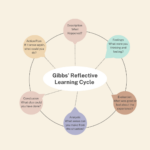
Models to use instead of the traditional way is to relate learners to preexisting knowledge this can come on a form of tests, information reviews, and small group activities. These activities help recall on prior knowledge. Another model is applying knowledge with feedback, this helps students in class disconnections, presentations, and quizzes. One other way is reflecting on learning, this helps children learn that it is okay to fail an assignment if you can learn about it. learn what went wrong or how to study differently for a test or quiz.
https://www.buffalo.edu/catt/develop/theory/constructivism.html
When to expand to the outdoor classroom?
By using this model of learning in the classroom a way to take to outside is to have small group activities relating towards the subject matter. This can look like creating an outdoor community or what government looks like to students and how does it differ from the traditional classroom is that they learn by mistakes and from others’ ideas. Its to expand their learning and reflect on what could be different for next time.
Art
Art can be incorporated into the class subjects like colour theory or transition time where students are getting ready for the day, they work on art pieces to take home to there parents. This can also help with the older grades because it can be a subject where is they need extra time to wind down for the day and implement it into learning outcomes for core subjects. For example, creating a book cover for there reading journal or in social studies create a map of Canada, science making examples of food chain with newspaper photos, math involves angles and lines create an art piece during that learning time. The options are endless for incorporating it into the classroom. this can also expand into the outdoor classroom by creating art through natural objects like nature pets, change in seasons, and snow art.
Podcast links
Art Ed Radio episode 371 Ideas for art making in nature https://player.fm/series/art-ed-radio/ep-371-ideas-for-artmaking-in-nature
Everyday Art Room EP. 232 Considering Special Education and disabilities in the art room.